Learn about vital roof care to protect your property and structural strength.
The necessity of keeping up a sturdy and reliable roof is paramount. Homeowners often overlook vital roof maintenance until serious damage occurs. Regular inspections can uncover underlying problems, while knowing typical maintenance can avoid expensive deterioration. Knowing about roofing components and the importance of water runoff also plays a crucial part in how long the roof lasts. As homeowners deal with these factors, knowing how to choose the right contractor is vitally necessary. What measures should be taken to secure their investment?
Importance of Regular Roof Inspections

Even though many property owners neglect this, the importance of regular roof inspections cannot be overstated. These inspections are essential for maintaining the integrity of a home. Roofs naturally degrade over time due to a range of weather conditions, including harsh climate, debris accumulation, and deteriorating shingles. Periodic assessments uncover developing problems before they become serious damage, such as major failure. In addition, taking care of the roof early can extend the lifespan of the roofing system, reducing major repair expenses in the long run. Assessments ought to be done yearly or more often or after extreme climate exposure. Hiring certified roofing experts provides a detailed inspection, as trained experts can spot early signs of deterioration that an untrained eye might miss. In the end, focusing on routine roof checks helps create a stable and secure home, safeguarding both the structure and the people inside.
Common Roofing Repairs and Their Benefits
Periodic assessments do more than just find trouble but also make essential fixes possible when damage is noticed. Common roofing repairs include sealing water intrusion, swapping out broken tiles, and removing blockage from drainage. Repairing breaches immediately can stop moisture deterioration and mildew formation, safeguarding the home’s structure and inside spaces. Replacing damaged shingles enhances the roof’s integrity and enhances the property's appearance, securing its endurance over time. Furthermore, removing debris from gutters avoids water overflow, that might result in costly damage and problems with the foundation.
Such maintenance significantly helps to extending the roof's useful life and preserving energy savings. Property owners who commit to regular upkeep and timely repairs can avoid more extensive and costly replacements down the line. In the end, resolving standard roof concerns not only guarantees the safety of the home but also offers homeowners tranquility, confident that their home is safeguarded against the elements.
Roof Replacement Procedures

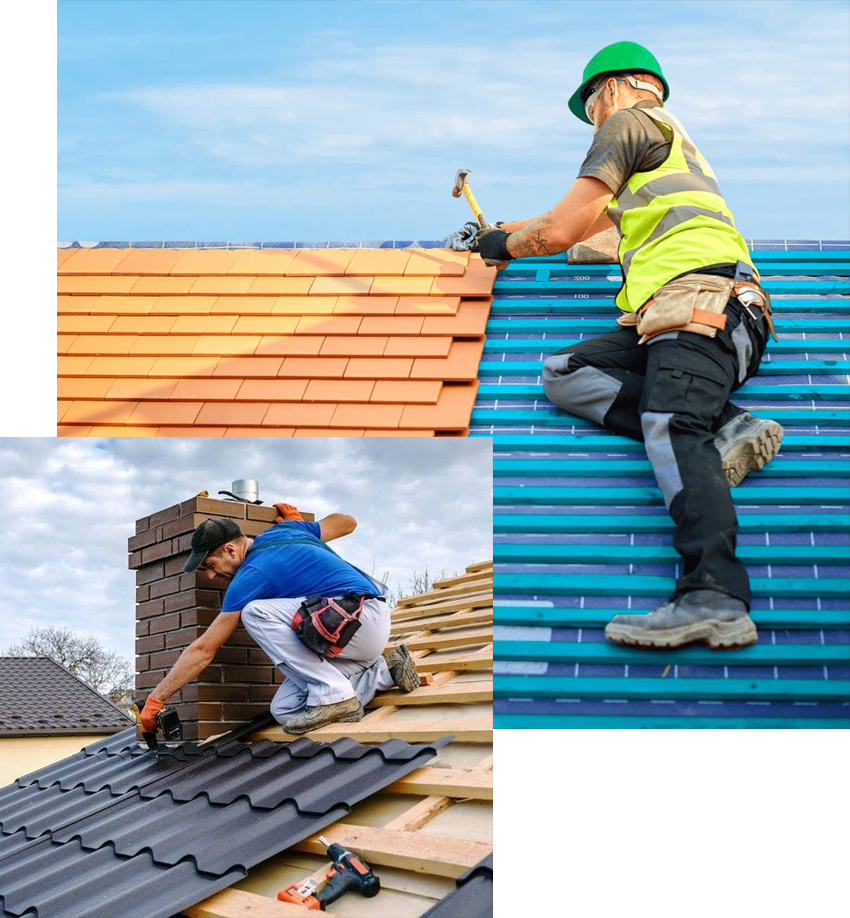
A roof replacement project involves several essential steps to ensure a long-lasting and effective setup. Initially, a thorough inspection of the existing roof is conducted to determine its current shape and figure out what needs fixing or replacing. Once the assessment is complete, property owners need to choose an expert roofer who can provide an appropriate plan and schedule for the work.
The next step involves removing the old roofing materials, which may include shingles, flashing, and underlayment. This step is essential for discovering concealed damage to the roof's base. Following the tear-off, the deck is fixed as needed, guaranteeing a strong foundation for the new roof.
After the decking is safe, the installation of new roofing materials begins, with the addition of correct flashing and venting mechanisms. In closing, a thorough cleanup is performed, making the property look spotless and ensuring the new roof offers long-lasting protection.
Knowing Roofing Materials and How Long They Last
Knowing about roofing components is vital for homeowners looking to make informed decisions about their home's covering. All roofing material varieties possesses a distinct longevity and maintenance requirements, impacting long-term costs and endurance. Through reviewing standard choices, their expected lifespan, and the necessary upkeep, individuals can better plan for their roofing needs.
Popular Roofing Material Options
Many kinds of roofing materials exist, each offering unique benefits and diverse useful lives. Asphalt roofing materials are a common choice because they are inexpensive and are easy to put up, making them a common choice for private residences. Metal roofing, recognized for its long life and minimal care, is available in many designs, like standing seam and corrugated sheets. Tiles used for consult now roofing, usually composed of clay or cement, gives a noticeable appearance and can withstand harsh weather conditions. Roofing made of slate, despite the higher price, is valued for its longevity and attractive appearance. Lastly, synthetic materials, like rubber or plastic, provide environmentally conscious choices that resemble classic materials. Every type meets particular requirements, allowing homeowners to choose the ideal match for their home.
Durability of Roofing Materials
When picking roofing options requires looking at more than just their aesthetic and price but also their expected lifespan. Different roofing options exhibit varying lifespans, influencing the property owner's financial commitment over time. Shingles made of asphalt generally last around 15 to 30 years, based on their quality and how they were installed. Metal roofs, recognized for being long-lasting, may hold up for 40 to 70 years when installed properly. Clay and cement tiles have a long lifespan, often reaching 50 years or more. Wood shakes, though they look attractive, usually hold up for 20 to 25 years, influenced by climate and maintenance. Finally, artificial options show wide variation, with some options designed to last a maximum of 50 years. Knowing these durations assists property owners in deciding wisely concerning their roofing expenditure.
Maintenance for Longevity
Routine upkeep is crucial for getting the most life from your roof components. Homeowners should routinely inspect their roofing for deterioration, such as missing shingles, cracks, or the presence of moss. Addressing these issues promptly stops greater damage from occurring. The lifespan differs among various roofing materials; as an illustration, asphalt shingles typically last 15-30 years, whereas metal roofs may last 40 to 70 years with adequate upkeep. Consistent upkeep of the gutter system is crucial to guarantee water drains freely, reducing the risk of leaks and structural damage. Additionally, employing an expert for periodic reviews can aid in spotting potential problems before they escalate - Massapequa Roofing Company. By knowing the specific maintenance needs of their roofing components, homeowners can greatly enhance their roof's durability and guarantee long-term protection for their homes
The Role of Gutters in Roof Maintenance
Gutters play an important part in roof maintenance by directing rainwater away from the structure. Operational gutters prevent water from standing on the surface, which can lead to leaks, mold growth, and structural damage. They guide water downwards and away from the foundation, preserving the integrity of the home.
Routine checks and cleaning of gutters are necessary, as debris can obstruct flow and form obstructions. When gutters are not maintained, they can overflow, resulting in moisture entry into walls and ceilings, which often requires costly repairs.
Furthermore, well-maintained gutters improve the performance of a roofing system, prolonging its lifespan. Homeowners should focus on gutter maintenance as part of their overall roof care routine, making sure that these vital parts operate effectively. By taking this action, they add to the durability and safety of their homes, showing the absolute necessity of gutters in roof maintenance.
Choosing a Trustworthy Roofing Contractor
How can homeowners make sure they choose a dependable roofing contractor? First, it is essential to conduct thorough research. Homeowners should seek recommendations from friends, family, and online reviews to find reputable contractors in their area. Next, verifying credentials is crucial; a reliable contractor should possess appropriate licenses, insurance, and certifications.
Homeowners should also request detailed estimates from multiple contractors, reviewing expenses and the scope of service. Engaging in direct communication is crucial, as a trustworthy contractor will be responsive and open about their processes.
Furthermore, looking at completed jobs and customer testimonials can give an idea into the contractor's quality of work and reliability. Finally, it is advisable to choose a contractor who offers warranties on the materials and the workmanship, providing enduring assistance and protection for the homeowner’s investment. By following these guidelines, homeowners can vastly improve their odds of selecting a dependable roofing contractor.
FAQs
What is the Recommended Frequency for a Roof Inspection?
It is recommended to schedule a roof inspection semiannually, specifically in the spring and the fall. Furthermore, inspections should occur after severe weather events to check for possible injury and ensure the roof remains sound.
Which Indicators Point of Roof Damage to Watch Out For?
Roof damage warnings consist of missing shingles, water seepage, sinking, stains on the interior ceiling, missing granules in the troughs, and the presence of moss or algae. Addressing these problems quickly can avoid greater deterioration and costly repairs.
Can I Perform Roof Repairs Myself?
Yes, individuals can perform roof repairs themselves if they possess the necessary skills and tools. Nonetheless, prudence is recommended, as improper repairs may lead to further damage or safety hazards, potentially requiring professional intervention later.
In What Way Do Weather Patterns Influence Roofing Materials?
Weather conditions greatly impact roofing materials, resulting in deterioration, wear, and damage. Massapequa Roofing Company. High heat, dampness, and ultraviolet light can compromise the material's strength, leading to leaks or structural issues. Consistent upkeep is vital to reduce these consequences and increase its longevity
What Is the Average Cost of a Roof Replacement?
A typical roof replacement expense generally costs $5,000 to $15,000, based on variables like the size of the roof, the material used, and the location, influencing the overall expense and quality of installation.